Senin, 10 November 2025

125+ Best Tattoo Removal Gold Coast

Pastor's blog www.kingofkingslutheranchurchnnj.org

```html
Introduction: Fading Ink A Guide to Effective Product Reviews
So you've got a product you want to review, or you're looking to understand what makes a good review? This guide will walk you through the process, step-by-step, ensuring your review is informative, engaging, and, most importantly, helpful to potential buyers. We'll cover everything from the opening hook to the final concluding thoughts, all within a clear, easy-to-follow structure.
Opening Strong: Capturing Attention from the Start
The opening paragraph is crucial. It's your chance to grab the reader's attention and tell them exactly what you're reviewing. Mention the product name clearly, state your overall impression (positive, negative, or mixed), and briefly touch on the key features or issues you'll be discussing. Consider starting with a relatable anecdote or a question that the product aims to solve. For example: "Tired of scratchy bath towels? I tested the 'CloudTouch Towel' for a month, and here's what I found..."
The Heart of the Review: Detailed Analysis and Experience
This is where you delve into the specifics. Divide this section into smaller, digestible paragraphs focusing on different aspects of the product. Consider these areas:
  • Design and Build Quality: How well is it made? Does it feel durable? Are there any aesthetic flaws?
  • Performance: Does it work as advertised? What are its strengths and weaknesses? Provide concrete examples.
  • Ease of Use: Is it intuitive to use? Are the instructions clear? Are there any accessibility issues?
  • Features: Does it have all the features you expect? Are they well-implemented? Are there any missing features?
  • Value for Money: Is it worth the price? How does it compare to similar products in terms of price and performance?
  • Pros and Cons: Make a list summarizing the product's strengths and weaknesses.
  • Remember to avoid vague statements. Back up your opinions with evidence from your own experience.
    Step-by-Step Guide (If Applicable): A How-To Element
    If the product requires assembly, setup, or a specific usage method, a step-by-step guide can be invaluable. Use clear and concise language. Include screenshots or images if possible.
  • Step 1: Unboxing and Initial Setup.
  • Step 2: Connecting the Device (if applicable).
  • Step 3: Software Installation (if applicable).
  • Step 4: Basic Usage and Features.
  • Step 5: Troubleshooting Common Issues.
  • For each step, explain the process clearly and point out any potential pitfalls or things to watch out for.
    Visuals: Enhancing Engagement with Images and Videos
    A picture is worth a thousand words. Include high-quality images or videos of the product. Show it from different angles, demonstrate its features, and highlight any flaws you mentioned. Videos can be particularly effective for showcasing the product in action. Use images to illustrate the set-up process.
    Conclusion: Summarizing and Recommending
    Wrap up your review by summarizing your key findings. Reiterate your overall impression of the product and state whether or not you would recommend it. Be clear about who this product is for and who it isn't for. For example: "Overall, the 'CloudTouch Towel' is a luxurious and absorbent towel that's well worth the price for those who value high-quality bath linens. However, if you're on a tight budget, there are more affordable options available that offer similar performance." Include a final rating (e.g., out of 5 stars) if appropriate.
    Important Considerations: Ethics and Transparency
    Always be honest and transparent in your reviews. Disclose any potential conflicts of interest, such as if you received the product for free or if you have a relationship with the company. Avoid exaggerating or making false claims. Your credibility is your most valuable asset. Furthermore, consider adding a disclaimer informing users of any affiliate links used within the review.
    ```

    Top 7 Amazon Review Checkers To Spot Fake Reviews

    Top 7 amazon review checkers to spot fake reviews mywifequitherjob.com

    The Best Of The Best

    The best of the best www.behance.net

    Pastor's Blog

    Pastor's blog www.kingofkingslutheranchurchnnj.org
    Read More..

    Minggu, 09 November 2025

    100+ Remove The Tattoo

    Hintergrund aus signatur entfernen (eine umfassende anleitung) anyeraser.com

    Introduction: Fading Regret A Review of Tattoo Removal Options Tattoos, once a permanent statement, can sometimes become a source of regret. Whether it's a change in personal style, professional aspirations, or simply a reminder of a past you'd rather forget, the desire for tattoo removal is increasingly common. This post will review various tattoo removal methods, providing a step-by-step guide to one of the most effective: laser tattoo removal. We'll explore the process, expected results, and factors to consider before embarking on this journey.
    Review: Assessing Your Removal Options Several methods exist for attempting tattoo removal, each with varying degrees of effectiveness and potential risks. These include:
    • Laser Tattoo Removal: Considered the gold standard, utilizing concentrated light energy to break down tattoo ink.
    • Surgical Excision: Physically cutting out the tattooed skin and stitching the remaining skin together. Suitable for small tattoos only.
    • Dermabrasion: Sanding down the top layers of skin to remove the tattoo. Often leaves scarring.
    • Chemical Peels: Applying strong acids to dissolve the tattooed skin. Inconsistent results and high risk of scarring.
    • Tattoo Removal Creams: Over-the-counter creams that claim to fade tattoos. Generally ineffective and can cause skin irritation.
    For most individuals, laser tattoo removal offers the best balance of effectiveness and safety. This review will primarily focus on this method.
    Step-by-Step Guide: Laser Tattoo Removal Here's a breakdown of what to expect during the laser tattoo removal process:
    1. Consultation: Schedule a consultation with a qualified laser tattoo removal specialist. During this appointment, the technician will assess your tattoo (size, color, ink type), skin type, and medical history. They will explain the procedure, expected results, and potential risks.
    2. Preparation: Before each treatment session, avoid sun exposure to the treated area. Shave the area if necessary, and keep the skin clean and dry.
    3. The Procedure: The technician will clean the area and may apply a topical anesthetic cream to minimize discomfort. Protective eyewear will be provided. The laser is then applied to the tattoo, delivering short bursts of energy that shatter the ink particles.
    4. Aftercare: Following the treatment, the technician will apply an antibacterial ointment and bandage. Follow their instructions carefully. Keep the area clean and dry, avoid sun exposure, and apply ointment as directed.
    5. Multiple Sessions: Tattoo removal requires multiple sessions, typically spaced 6-8 weeks apart. The number of sessions needed depends on the tattoo's size, color, ink type, and your skin's ability to heal.
    6. Healing: Expect some redness, swelling, and blistering after each session. These side effects are usually temporary and resolve within a few days or weeks.
    Factors Influencing Tattoo Removal Several factors can influence the effectiveness and speed of laser tattoo removal:
    • Tattoo Color: Black and dark blue inks are the easiest to remove. Green, yellow, and light blue inks are more challenging.
    • Ink Type: Professional tattoos are typically harder to remove than amateur tattoos.
    • Tattoo Age: Older tattoos tend to fade more easily than newer ones.
    • Skin Type: Lighter skin tones generally respond better to laser tattoo removal.
    • Immune System: A healthy immune system helps the body clear the shattered ink particles.
    • Location: Tattoos closer to the heart tend to fade faster due to better circulation.
    Conclusion: A Gradual Fading Away Laser tattoo removal is a gradual process requiring patience and commitment. While it can significantly fade or completely remove unwanted tattoos, it's crucial to have realistic expectations. Consult with a qualified and experienced laser technician to determine if this method is right for you and to understand the potential risks and benefits. Remember that complete removal isn't always guaranteed, and some residual ink or scarring may remain. However, for many, the opportunity to erase a past regret is well worth the investment of time and effort.

    Hintergrund Aus Signatur Entfernen (eine Umfassende Anleitung)

    Hintergrund aus signatur entfernen (eine umfassende anleitung) anyeraser.com

    Remove People From Photo With Ai In Seconds (easy & Free)

    Remove people from photo with ai in seconds (easy & free) www.fotor.com

    12 Free Ai Clothes Remover To Remove Clothes From Images

    12 free ai clothes remover to remove clothes from images cdacexamccat.com
    Read More..

    Kamis, 06 November 2025

    175+ Laser Removal Kidney Stones Procedure

    800+ free mata laser & laser images pixabay.com

    Introduction: Understanding Laser Removal of Kidney Stones
    Are you dealing with the excruciating pain of kidney stones? Laser lithotripsy, a minimally invasive procedure, offers a potential solution. This post will provide a comprehensive overview of laser removal of kidney stones, also known as laser lithotripsy, including its benefits, the procedure itself, and a step-by-step guide on what to expect. Knowing what to expect beforehand can significantly alleviate anxiety and help you prepare effectively for this treatment.
    Review of Laser Lithotripsy: Is It Effective?
    Laser lithotripsy has proven to be a highly effective method for treating kidney stones. Its advantages over traditional methods include:
  • High Success Rate: Laser technology can effectively break up stones of varying sizes and compositions.
  • Minimally Invasive: The procedure typically involves small incisions, leading to faster recovery times.
  • Reduced Pain: Patients often experience less pain compared to open surgery.
  • Versatile: Can be used for stones in different locations within the kidney and ureter.
  • While generally safe, like all medical procedures, laser lithotripsy carries some risks. These can include bleeding, infection, and damage to the ureter. However, these risks are relatively low when performed by experienced surgeons. Overall, laser lithotripsy offers a significant improvement in the management of kidney stones.
    Step-by-Step Guide to Laser Kidney Stone Removal
    Understanding each step of the process can ease your mind and help you prepare for your procedure:
    Step 1: Pre-operative Assessment
    Your doctor will conduct a thorough evaluation, including:
  • Reviewing your medical history and current medications.
  • Performing imaging tests like CT scans or X-rays to determine the size, location, and composition of the kidney stones.
  • Ordering blood and urine tests to assess your kidney function and overall health.
  • Step 2: Anesthesia
    You will receive anesthesia to ensure you're comfortable and pain-free during the procedure. This can be general anesthesia (where you are completely asleep) or regional anesthesia (where a specific area of your body is numbed). Your anesthesiologist will discuss the best option for you.
    Step 3: Accessing the Kidney Stone
    The surgeon uses a small telescope (ureteroscope) inserted through the urethra, bladder, and ureter to reach the kidney stone. No large incisions are required.
    Step 4: Laser Lithotripsy
    Once the stone is located, a laser fiber is passed through the ureteroscope. The laser emits pulses of energy that break the stone into smaller fragments. The type of laser used might vary, but Holmium lasers are very common.
    Step 5: Stone Removal
    The small stone fragments are either extracted through the ureteroscope or left to pass naturally through the urine. In some cases, a stent (a small tube) may be placed in the ureter to ensure urine flow and prevent blockage.
    Step 6: Post-operative Care
    After the procedure:
  • You will be monitored in the recovery room until you are fully awake.
  • You may experience some pain, which can be managed with medication.
  • If a stent was placed, it will typically be removed a few days to a week later.
  • You will receive instructions on diet, hydration, and follow-up appointments.
  • Conclusion: Taking the Next Steps
    Laser lithotripsy offers a safe and effective way to eliminate kidney stones. Discuss your situation with your doctor to determine if this procedure is right for you. Remember to follow your doctor's instructions carefully before and after the procedure to ensure a smooth recovery. With proper care and treatment, you can effectively manage your kidney stones and return to a pain-free life.

    Government Considers Laser Pointer Licences In Crackdown After Pilots Are Blinded

    Government considers laser pointer licences in crackdown after pilots are blinded www.independent.co.uk

    800+ Free Mata Laser & Laser Images

    800+ free mata laser & laser images pixabay.com

    Nebula Capsule 3 Laser: Mini Projector With 2.5 Hours Runtime

    Nebula capsule 3 laser: mini projector with 2.5 hours runtime basic-tutorials.com
    Read More..

    Rabu, 05 November 2025

    86+ Laser Tattoo Removal Aftercare Cream

    Laser 180 tattoo removal laser180.com

    Introduction: Why Aftercare Matters If you've just undergone laser tattoo removal, congratulations on taking that first step! But the journey doesn't end with the laser session. Proper aftercare is absolutely crucial for optimal healing, minimizing scarring, and preventing infection. Choosing the right aftercare cream is a key component of this process. Today, we're diving into a review of 86+ Laser Tattoo Removal Aftercare Cream and providing a step-by-step guide on how to effectively use any aftercare cream to ensure the best possible results.
    86+ Laser Tattoo Removal Aftercare Cream Review The 86+ Laser Tattoo Removal Aftercare Cream is designed to soothe, hydrate, and protect the treated area. The formula often contains ingredients like aloe vera, vitamin E, and essential oils known for their healing properties. Many users report a noticeable reduction in redness and inflammation after applying the cream regularly. Some creams are also designed to prevent the formation of blisters and scabs. While results can vary, common advantages of using a good aftercare cream like 86+ include:
  • Reduced irritation and itching.
  • Faster healing time.
  • Minimized risk of scarring.
  • Improved skin hydration.
  • Step-by-Step Guide to Using Aftercare Cream Here's a detailed guide on how to apply aftercare cream effectively after your laser tattoo removal sessions:
    1. Cleanse the Treated Area: Gently wash the area with a mild, fragrance-free soap and lukewarm water. Avoid harsh scrubbing. Pat the area dry with a clean, soft towel.
    2. Apply a Thin Layer: Dispense a small amount of 86+ Laser Tattoo Removal Aftercare Cream (or your chosen cream) onto a clean fingertip. Apply a thin, even layer over the treated area. Avoid applying excessive amounts, as this can trap moisture and potentially hinder healing.
    3. Gentle Massage (Optional): Gently massage the cream into the skin using circular motions. This can help with absorption and improve circulation.
    4. Cover with a Sterile Bandage (If Recommended): Your technician might recommend covering the treated area with a sterile, non-stick bandage or gauze, especially during the first few days. This helps to protect the area from infection and irritation. Change the bandage daily, or more frequently if it becomes soiled or wet.
    5. Repeat as Directed: Generally, aftercare cream should be applied 2-3 times a day, or as directed by your laser technician. Consistency is key to optimal healing.
    Important Considerations & Tips
  • Follow Your Technician's Instructions: Always adhere to the specific aftercare instructions provided by your laser technician. They may have specific recommendations based on your skin type and the treatment parameters used.
  • Avoid Sun Exposure: Keep the treated area protected from direct sunlight. Sun exposure can cause hyperpigmentation and slow down the healing process. Wear loose-fitting clothing or use a high SPF sunscreen if sun exposure is unavoidable.
  • Stay Hydrated: Drinking plenty of water helps keep your skin hydrated, which can aid in the healing process.
  • Avoid Picking or Scratching: Resist the urge to pick at scabs or scratch the treated area. This can increase the risk of scarring and infection.
  • Watch for Signs of Infection: Monitor the treated area for signs of infection, such as increased redness, swelling, pain, pus, or fever. If you notice any of these symptoms, contact your laser technician or a healthcare professional immediately.
  • Conclusion: Maximize Your Results with Proper Aftercare Using the 86+ Laser Tattoo Removal Aftercare Cream, or another quality product, as part of a comprehensive aftercare routine is essential for achieving the best possible results from your laser tattoo removal treatments. By following the steps outlined above and adhering to your technician's recommendations, you can help ensure optimal healing, minimize the risk of complications, and get closer to achieving your desired outcome. Remember, patience and consistency are key!

    Vascular Laser Treatment, Laser Therapy

    Vascular laser treatment, laser therapy dermatology.melbourne

    Used Lutronic Spectra Aesthetic Laser For Sale

    Used lutronic spectra aesthetic laser for sale www.thelaseragent.com

    Laser 180 Tattoo Removal

    Laser 180 tattoo removal laser180.com
    Read More..

    Selasa, 04 November 2025

    55+ Tattoo Removal Jacksonville Fl

    30 sensational shark tattoo ideas for women & men in 2023 thai.tattoo

    ```html
    Opening: Thinking about Tattoo Removal in Jacksonville, FL?
    Considering tattoo removal in Jacksonville, Florida? This post will guide you through what to look for in a clinic, factors that influence the removal process, and provide a step-by-step guide to finding the best option for your needs. We'll cover what to expect during and after treatment and provide helpful resources to make an informed decision.
    Review: Jacksonville Tattoo Removal Clinics What to Look For
    Before diving into the how-to, let's briefly review crucial factors when choosing a Jacksonville tattoo removal clinic. Look for clinics with:
  • Certified Laser Technicians: Ensure technicians are properly certified and experienced with various laser types.
  • Advanced Laser Technology: The type of laser (e.g., PicoWay, Q-switched Nd:YAG) greatly impacts removal effectiveness. Clinics with newer, more versatile lasers are generally preferable.
  • Comprehensive Consultations: A good clinic will offer a thorough consultation to assess your tattoo, skin type, and expectations.
  • Positive Patient Reviews: Check online reviews on Google, Yelp, and other platforms.
  • Clear Pricing and Payment Plans: Understand the cost per session, package deals, and financing options.
  • Step-by-Step Guide: Finding the Right Tattoo Removal Clinic in Jacksonville, FL
    Follow these steps to find the ideal tattoo removal service:
  • Step 1: Define Your Goals: What are your expectations for the removal? Do you want complete removal, fading for a cover-up, or partial removal?
  • Step 2: Research Jacksonville Clinics Online: Search Google for "tattoo removal Jacksonville FL". Create a list of potential clinics based on initial search results.
  • Step 3: Check Clinic Websites: Visit the websites of each clinic on your list. Look for information about their laser technology, technician qualifications, before-and-after photos, and pricing.
  • Step 4: Read Online Reviews: Carefully review patient testimonials on multiple platforms. Pay attention to comments about pain management, customer service, and removal results.
  • Step 5: Schedule Consultations: Contact 2-3 clinics to schedule free consultations. This allows you to meet the technicians, discuss your tattoo, and get a personalized treatment plan and cost estimate.
  • Step 6: Ask the Right Questions During Your Consultation:
    • What type of laser will be used, and why is it the best option for my tattoo?
    • How many sessions will I likely need for complete removal?
    • What is the estimated cost per session and for the entire treatment?
    • What are the potential side effects and risks?
    • What is the clinic's experience with removing tattoos of my color and size?
    • How long has the technician been performing tattoo removal?
  • Step 7: Compare Your Options: After your consultations, compare the treatment plans, costs, and overall impression of each clinic.
  • Step 8: Make Your Decision: Choose the clinic that you feel most comfortable with and that best meets your needs and budget.
  • Step 9: Prepare for Your First Session: Follow the clinic's pre-treatment instructions carefully. This might include avoiding sun exposure, shaving the area, and applying a numbing cream (if recommended).
  • Conclusion: Making an Informed Decision
    Removing a tattoo is a significant decision. By carefully researching your options, attending consultations, and understanding the process, you can find the best tattoo removal clinic in Jacksonville, FL, to achieve your desired results safely and effectively. Remember to prioritize qualified technicians, advanced technology, and a clinic that prioritizes patient care and realistic expectations. Good luck on your tattoo removal journey!
    ```

    30 Sensational Shark Tattoo Ideas For Women & Men In 2023

    30 sensational shark tattoo ideas for women & men in 2023 thai.tattoo

    Tattoo Uploaded By Regina Renjute • Tattoodo

    Tattoo uploaded by regina renjute • tattoodo www.tattoodo.com

    30 Sensational Shark Tattoo Ideas For Women & Men In 2023

    30 sensational shark tattoo ideas for women & men in 2023 thai.tattoo
    Read More..

    Senin, 03 November 2025

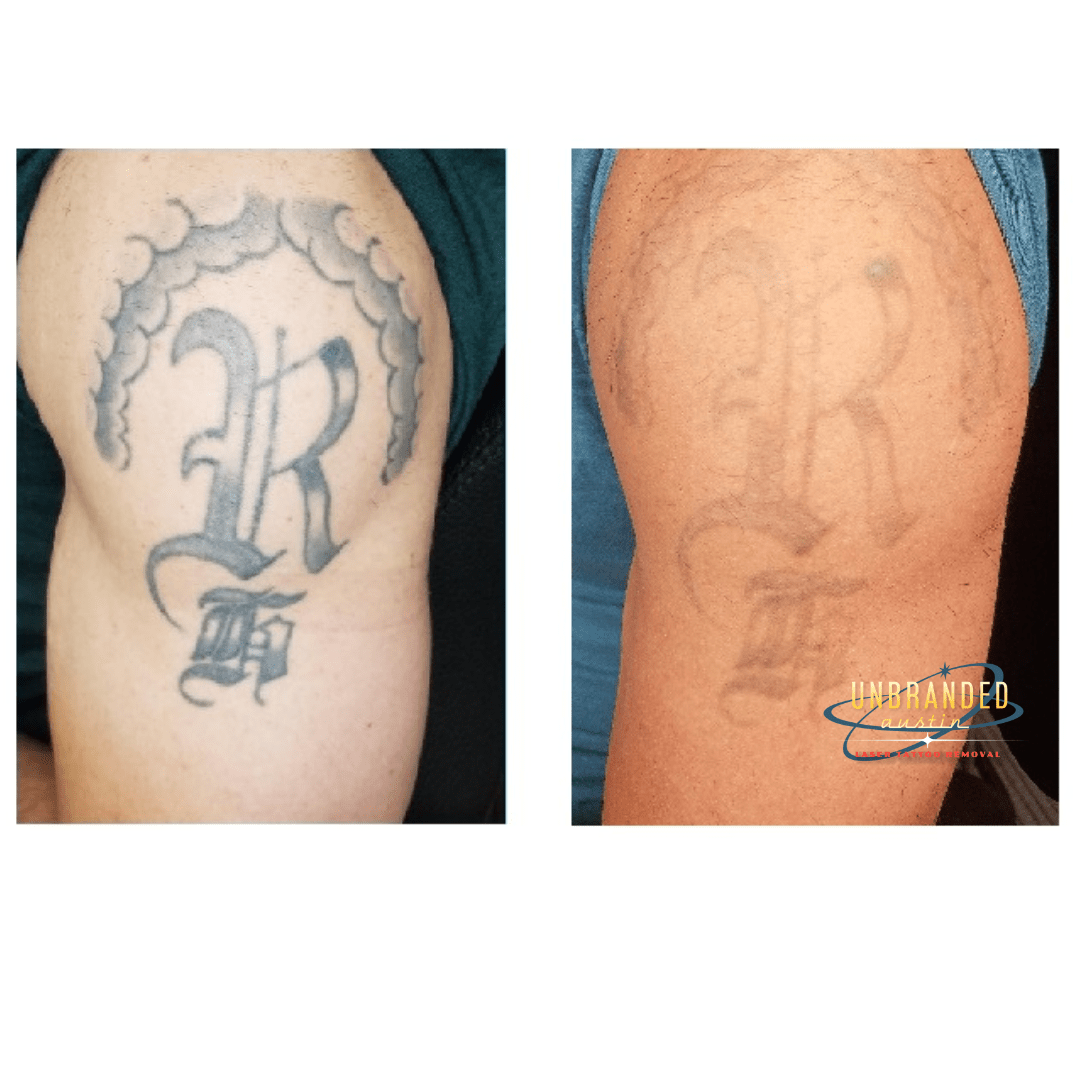
    45+ Before And After Tattoo Removal El Paso

    Tattoo removal in alexandria va vanishlaserclinic.com

    Opening: The Tattoo Regret Rollercoaster and Hope for a Fresh Start Tattoos, once badges of honor, declarations of love, or impulsive decisions made in youth, can sometimes become sources of regret. Perhaps your style has evolved, a relationship has ended, or the design simply no longer resonates with you. Whatever the reason, the desire for a clean slate is understandable. This post explores tattoo removal in El Paso, focusing on the process, what to expect, and ultimately, how to achieve those impressive before-and-after results. We'll delve into the common methods, factors affecting success, and considerations when choosing a clinic.
    Review: Diving into Tattoo Removal Options Tattoo removal is a technological marvel, offering hope to those seeking to undo inked mistakes. The gold standard for tattoo removal is Q-switched lasers. These lasers work by emitting short bursts of high-intensity light that break down the tattoo ink into smaller particles. The body's immune system then gradually eliminates these particles over time. The most common types of Q-switched lasers used are:
    • Q-switched Nd:YAG: Effective for darker inks, particularly black and dark blue.
    • Q-switched Alexandrite: Works well on green and blue inks.
    • Q-switched Ruby: Effective for green, blue, and black inks.
    • PicoSure Lasers: A newer, faster technology that utilizes picosecond pulses to shatter ink into even smaller particles, potentially requiring fewer sessions.
    The effectiveness of laser tattoo removal depends on several factors, including ink color (black ink is easiest to remove), ink depth, skin type, and the age of the tattoo.
    Step-by-Step Guide: Your Journey to Tattoo-Free Skin The tattoo removal process is not instantaneous but requires multiple sessions spaced several weeks apart. Here's a step-by-step breakdown:
    1. Consultation: Schedule a consultation with a qualified laser technician or dermatologist in El Paso. Discuss your tattoo, medical history, and expectations. The technician will assess your tattoo and skin type to determine the best laser and treatment plan.
    2. Test Spot: A small test spot may be performed to assess your skin's reaction to the laser and determine the optimal energy settings.
    3. Preparation: Before each treatment session, avoid sun exposure and tanning. Wear loose, comfortable clothing to your appointment.
    4. Treatment: During the treatment, you will be given protective eyewear. The laser technician will apply the laser to your tattoo, delivering short pulses of light. You will likely feel a sensation similar to a rubber band snapping against your skin. A cooling device may be used to minimize discomfort.
    5. Post-Treatment Care: After the treatment, the treated area will be red and possibly swollen. Apply a topical antibiotic ointment and keep the area covered with a sterile bandage. Avoid sun exposure, scratching, and picking at the treated area.
    6. Follow-Up Sessions: Schedule follow-up sessions as recommended by your technician. The number of sessions required will vary depending on the tattoo.
    El Paso Specific Considerations: Finding the Right Clinic When searching for tattoo removal services in El Paso, consider these factors:
    • Experience and Credentials: Choose a clinic with experienced and certified laser technicians or dermatologists. Check their qualifications and read reviews.
    • Laser Technology: Ensure the clinic uses advanced Q-switched or PicoSure lasers. The type of laser can impact the effectiveness and efficiency of the removal process.
    • Client Testimonials and Before-and-After Photos: Review before-and-after photos to gauge the clinic's success rate. Read client testimonials to understand their experiences.
    • Consultation and Treatment Plan: The clinic should offer a thorough consultation and develop a personalized treatment plan based on your tattoo and skin type.
    • Pricing and Financing Options: Obtain a clear understanding of the costs involved and inquire about financing options or package deals.
    Conclusion: Embracing a Future Without Regret Tattoo removal is a viable option for those seeking to erase unwanted ink and start anew. By understanding the process, choosing a reputable clinic in El Paso, and following post-treatment instructions diligently, you can achieve satisfying results and reclaim your skin. Remember that patience is key, as multiple sessions are typically required to achieve optimal clearance.

    Before & After

    Before & after inkundu.com

    Tattoo Removal In Alexandria Va

    Tattoo removal in alexandria va vanishlaserclinic.com

    Before & After Results

    Before & after results unbrandedatx.com
    Read More..

    Minggu, 02 November 2025

    160+ Best Tattoo Removal In Los Angeles

    Pastor's blog www.kingofkingslutheranchurchnnj.org

    Opening The Tattoo Regret Remedy: A Deep Dive into Tattoo Removal Regret happens. Sometimes it's a haircut, sometimes it's a relationship, and sometimes it's a tattoo you got on a whim. Luckily, unlike that regrettable haircut, a tattoo can be removed. This post isn't just a review; it's a comprehensive guide to understanding tattoo removal, the process, and how to approach finding the right professional. We'll explore what makes for a good removal experience and provide a step-by-step overview of what to expect.
    Review Criteria: What Makes a Good Tattoo Removal Clinic? Before diving into a "how-to," let's establish the criteria for a good tattoo removal clinic. This helps you assess potential providers. Key factors include:
  • Technology and Equipment: Does the clinic use advanced, reputable laser technology (e.g., picosecond lasers, Q-switched lasers)? Newer technology typically results in faster and more effective removal with less risk of scarring.
  • Experience and Expertise: How experienced are the technicians or doctors performing the removal? Do they have certifications and a proven track record? Look for before-and-after photos and testimonials.
  • Consultation and Assessment: Does the clinic offer a thorough consultation to assess your tattoo (ink colors, size, location, skin type) and discuss realistic expectations?
  • Safety and Hygiene: Is the clinic clean and sterile? Do they follow strict safety protocols?
  • Pricing and Transparency: Is the pricing clear and upfront? Do they offer package deals or financing options? Be wary of clinics that promise unrealistic results at extremely low prices.
  • Pain Management Options: What pain management strategies do they offer (e.g., numbing cream, ice packs)?
  • Client Reviews and Reputation: What are other clients saying about their experiences with the clinic? Check online reviews on platforms like Google, Yelp, and RealSelf.
  • Step-by-Step Guide to Tattoo Removal: From Consultation to Aftercare Here's a breakdown of the typical tattoo removal process:
  • Step 1: Initial Consultation: Schedule a consultation with a qualified tattoo removal specialist. During this appointment, they'll examine your tattoo, assess your skin type, discuss your medical history, and determine the appropriate laser technology and treatment plan. Be prepared to answer questions about your tattoo's age, ink colors, and whether you've had any previous attempts at removal. They should also provide realistic expectations about the number of sessions required and the potential for fading versus complete removal.
  • Step 2: Patch Test (Optional but Recommended): Some clinics will perform a patch test on a small area of your tattoo to assess your skin's reaction to the laser. This helps determine the appropriate laser settings and minimize the risk of adverse effects.
  • Step 3: Pre-Treatment Preparation: Before each treatment session, avoid sun exposure and tanning for at least two weeks. Shave the area to be treated and ensure your skin is clean and dry. Inform the technician of any medications you're taking.
  • Step 4: The Treatment Session: You'll be provided with protective eyewear to shield your eyes from the laser. The technician will apply a numbing cream or use a cooling device to minimize discomfort. The laser is then directed at the tattoo ink, breaking it down into smaller particles that the body can eliminate. The sensation is often described as similar to being snapped with a rubber band. The duration of the session depends on the size and complexity of the tattoo.
  • Step 5: Post-Treatment Care: After the treatment, the area will be cleaned and a soothing ointment (like Aquaphor) and a sterile bandage will be applied. Follow the aftercare instructions provided by your technician. This typically includes:
  • Keeping the area clean and dry.
  • Applying the recommended ointment regularly.
  • Avoiding sun exposure and using sunscreen with a high SPF when exposed.
  • Avoiding scratching or picking at the treated area.
  • Wearing loose-fitting clothing to avoid irritation.
  • Step 6: Subsequent Sessions: Tattoo removal typically requires multiple sessions, spaced several weeks apart (usually 6-8 weeks) to allow your body to clear the fragmented ink. The number of sessions varies depending on factors such as ink colors, tattoo size, location, and your individual response to treatment.
  • Step 7: Monitoring Progress and Adjustments: During each session, the technician will assess the progress of the removal and adjust the laser settings as needed. Open communication with your technician is crucial for optimal results.
  • Conclusion: Informed Choices for a Tattoo-Free Future Tattoo removal is a journey, not a one-time event. Understanding the process, setting realistic expectations, and choosing a reputable clinic with experienced professionals are crucial for achieving the best possible results. Take your time, do your research, and prioritize safety and transparency. With the right approach, you can effectively remove that unwanted ink and move forward with confidence.

    The Best Of The Best

    The best of the best www.behance.net

    Pastor's Blog

    Pastor's blog www.kingofkingslutheranchurchnnj.org

    Best In New Food And Beverage Packaging 2020

    Best in new food and beverage packaging 2020 www.packagingdigest.com
    Read More..